
Let’s be honest: Planning a birthday party for a child is a labor of love that often feels more like a military operation than a Pinterest project. You have to juggle the budget, manage the sugar rush, appease the tiny critics, and somehow, survive the cleanup—all while trying to live up to the magical expectations in your child’s eyes. It’s a logistical challenge that can leave any parent reaching for a strong cup of coffee.
But here’s the truth: The effort is worth it. Seeing that pure, unadulterated joy on your child’s face when their favorite theme comes to life, or hearing their friends say, “That was the best party ever,” is the ultimate reward.


That’s why we created this guide. This isn’t just a list of ideas; it’s a step-by-step blueprint designed to tackle the chaos and harness the fun. Over the next few weeks, we’ll walk you through the essential phases—from setting a realistic budget and picking the perfect theme, to managing high-energy activities and simplifying the cake-cutting. Get ready to trade the planning panic for pure party triumph!
🏗️ The Foundation: Knowing Your Kid and Your Limits (6-8 Weeks Out)
Before you order a single balloon or browse Pinterest for elaborate theme ideas, you need a solid foundation. This stage is about setting realistic expectations, defining your budget, and tailoring the party to the most important person: your child.
1. The Age Factor: Timing and Focus
A party for a three-year-old is fundamentally different from a party for an eight-year-old. Planning based on the age group is the single most important factor for success.
| Age Group | Duration | Guest List Size | Key Focus | Energy Level |
| Toddlers (1-3) | 1 – 1.5 hours max | Small (Family/Close Friends) | Cake, photos, simple free play. | Low to Moderate |
| Preschool (4-5) | 1.5 – 2 hours | Medium (Daycare/Small Class Group) | Simple games, costume play, easily recognizable theme. | High |
| School Age (6-10) | 2 – 3 hours | Larger (Full Class/Friends) | Structured activities, “experiences” (e.g., crafts, science), more independence. | Moderate to High |
Here is the draft for the first foundational section of your Kids’ Birthday Party Planning Guide. This section sets the tone by emphasizing practicality, age-appropriate planning, and budget management.
🏗️ The Foundation: Knowing Your Kid and Your Limits (6-8 Weeks Out)
Before you order a single balloon or browse Pinterest for elaborate theme ideas, you need a solid foundation. This stage is about setting realistic expectations, defining your budget, and tailoring the party to the most important person: your child.
1. The Age Factor: Timing and Focus
A party for a three-year-old is fundamentally different from a party for an eight-year-old. Planning based on the age group is the single most important factor for success.
| Age Group | Duration | Guest List Size | Key Focus | Energy Level |
| Toddlers (1-3) | 1 – 1.5 hours max | Small (Family/Close Friends) | Cake, photos, simple free play. | Low to Moderate |
| Preschool (4-5) | 1.5 – 2 hours | Medium (Daycare/Small Class Group) | Simple games, costume play, easily recognizable theme. | High |
| School Age (6-10) | 2 – 3 hours | Larger (Full Class/Friends) | Structured activities, “experiences” (e.g., crafts, science), more independence. | Moderate to High |
Toddlers (Ages 1-3): Keep It Short and Sweet
Toddler parties should be brief affairs, lasting only 1 to 1.5 hours maximum. At this age, children have limited attention spans and can become overstimulated quickly. Keep your guest list small, focusing primarily on family members and close friends rather than large peer groups. Simple themes work best—think basic colors like “Pink Princess” or “Blue Balloon Bash” rather than complex storylines. The main focus should be on capturing photos and enjoying cake together, as toddlers won’t remember elaborate activities.
Preschoolers (Ages 4-5): Energy and Simple Structure
Preschool-age children thrive with recognizable themes featuring their favorite characters, whether that’s specific cartoons, princesses, or dinosaurs. These parties require high energy and mandatory planned activities to keep little ones engaged. At this age, children can follow simple instructions and enjoy basic group games. Plan for a 2-hour party with a clear structure that includes active play, quieter moments, and the celebration centerpiece of cake and singing.
School-Age Children (Ages 6-10): Complex Fun
Elementary school children can handle more sophisticated themes, longer party durations of 2 to 3 hours, and structured games with rules. They love experiential activities like making slime, conducting simple science experiments, or participating in craft projects they can take home. This age group also enjoys competitive games and activities that showcase their growing skills and independence.
2. Smart Budgeting for Kids’ Parties
Creating a memorable party doesn’t require breaking the bank. Focus your budget on high-impact decorations that make a visual statement. Large balloon bouquets, colorful streamers, and a themed backdrop for photos create an impressive atmosphere without significant expense.
The easiest way to sabotage your sanity is by planning first and budgeting later. Start here, and let this number guide every decision, from the venue to the favors.
- Define Your Non-Negotiables: Is the professional cake a must-have? Or is the guest list size more important? Allocate the biggest percentage of your budget to your top priority.
- The Big 3 Budget Categories:
- Food & Cake (35-40%): This often includes drinks and small snacks.
- Venue & Invitations (30-35%): Covers rental fees, or the cost of external entertainment (e.g., a bouncy house or face painter).
- Decor, Favors, & Supplies (20-30%): Decorations, paper goods, and the party bags.
- Saving Tip: The “Party Pack” Trap: Avoid buying plates, napkins, and cups with specific licensed characters. They are often more expensive. Instead, buy solid colored goods in the theme’s colors (e.g., red and yellow for a superhero theme) to save money and get a more polished look.
Pro Tip: For toddlers, keep the party short and scheduled around nap time. A tired toddler is a recipe for a meltdown, no matter how great the theme is!
3. The Guest List & Venue Reality Check
The guest list can be one of the most sensitive aspects of party planning. For younger children, a common guideline is to invite the number of guests equal to your child’s age plus one. However, school dynamics can complicate this simple rule.
If your child wants to invite school friends, consider whether you’ll invite the entire class or a select group. Many schools have policies about classroom invitations, so check with your child’s teacher first. Be mindful that excluding just a few children can hurt feelings, while inviting everyone might exceed your capacity.
The drop-off versus stay-and-play decision depends on the age group. For children under 5, parents typically stay. For children 6 and older, drop-off parties are more common and give kids more independence. Be explicit about your expectations on the invitation to avoid awkward situations.
Before sending invitations, match your guest list to a space you can realistically manage.
- Home vs. Hired: Hosting at home saves money but increases the clean-up stress and limits space. Hiring a space (like a community hall or play place) costs more but eliminates the pre- and post-party cleaning burden.
- The Golden Rule for Kids’ Parties: The party space should allow plenty of room to move after accounting for tables, chairs, and activities. Cramped spaces lead to collision and frustration.
- The Parent Question: Be clear on your invite whether parents are expected to stay and supervise (common for ages 5 and under) or if it’s a “drop-off” party (common for ages 6 and up).
🎨 Theme & Invitation Excitement (4 Weeks Out)
This is the phase where the fun begins! The theme defines the party’s decor, games, and food, and the invitation is the first glimpse guests get into the world you are creating.
1. Choosing a Winning Theme
The right theme sets the tone for your entire celebration and makes planning easier by providing a cohesive direction for decorations, activities, and food.
The best kid’s party themes are simple, flexible, and maximize fun without demanding elaborate, expensive setups.
| Theme Type | Example Ideas | Why It Works |
| Simple Concepts | Rainbows, Outer Space, Dinosaurs, Under the Sea, Camping | Easy to find inexpensive, generic decor; allows for simple DIY crafts and games. |
| Activity-Based | Mad Scientist Lab, Olympic Games, Chef Academy (Pizza Making), Art Masterpiece | The activity is the entertainment, reducing the need for costly external entertainment. |
| Character Focus | [Specific Cartoon/Movie Character] | Highly exciting for the child; requires more focus on licensed products or very specific color schemes. |
- Rainbow Party: Use colorful streamers, balloons in rainbow order, and serve rainbow fruit kabobs
- Superhero Training Academy: Set up obstacle courses and “training stations” with simple props
- Fairy Garden: Decorate with flowers, butterflies, and create fairy wings as a craft activity
- Mad Scientist Lab: Conduct simple science experiments with baking soda volcanoes and color-mixing activities
- Construction Zone: Use caution tape, toy tools, and serve snacks in new toy dump trucks
Match your theme to your venue when possible. A campout theme works perfectly in a backyard with tents and s’mores, while an art party suits an indoor space with plenty of tables.
Tip for Longevity: Avoid overly narrow themes. Instead of “Paw Patrol,” try “Super Pups Rescue Academy” using red, white, and blue colors. This allows for more creative, cost-effective decor and games that still fit the spirit of the character.
2. The Power of the Birthday Party Invitation
The birthday party invitation is more than just an RSVP request—it sets the tone, communicates vital information, and builds excitement. Your invitation is the first glimpse guests have of your party, so make it informative and clear.
- Digital vs. Print:
- Digital (Email/Text): Fast, easy RSVP tracking, and budget-friendly. Great for casual, large gatherings.
- Print (Paper Cards): More formal and memorable. Ideal for smaller, milestone parties (like a First Birthday)
Essential Information to Include
- Clear Start and End Times: Specify both times so parents know exactly when to drop off and pick up
- Date and Location: Include full address and any parking information
- RSVP Deadline: Set this at least one week before the party for accurate headcount
- Gift Policy: Be explicit about whether gifts are expected, optional, or discouraged with phrases like “Your presence is the only gift needed!”
- Special Instructions: Note any dress code (e.g., “wear clothes that can get messy”), allergy information requests, or parent attendance expectations
Setting a firm RSVP deadline is crucial for planning food quantities, preparing craft supplies, and organizing party favors. Don’t be shy about following up with families who haven’t responded as your deadline approaches.
3. The Gift-Giving Policy (Handle with Care)
Handling gifts gracefully is essential in a kids’ party invitation. If you want to discourage gifts, be gentle but firm.
- To Discourage Gifts: Use a simple, warm phrase on the invite: “Your presence is the only gift we need!” or “In lieu of gifts, we ask for a donation to [Child’s Favorite Charity].”.
- To Simplify Gifts: Some families prefer gift cards or books. If this is your preference, state it softly: “If you would like to bring a gift, [Child’s Name] is building his book collection!”
🤸 Entertainment & Activities: Managing the Energy
Kids thrive on structure, even if they don’t know it! A successful party uses a varied schedule that breaks up high-energy games with quiet activities. Your goal is to keep the momentum going without allowing the party to descend into chaos.
1. The Party Flow: The Three-Activity Rule for Success
We recommend structuring your party around three distinct types of activities to manage the flow of energy:
| Stage | Goal | Activity Type | Timing |
| Arrival (15-20 min) | Break the ice; occupy early arrivals. | Quiet Activity/Craft | As guests trickle in. |
| Mid-Party (45-60 min) | Burn off energy; focus the group. | High-Energy Games | After all guests have arrived. |
| Wind-Down (15-20 min) | Bring excitement levels down for food/cake. | Structured Seating | Leading into the final meal/dessert. |
2. Activity Ideas by Stage
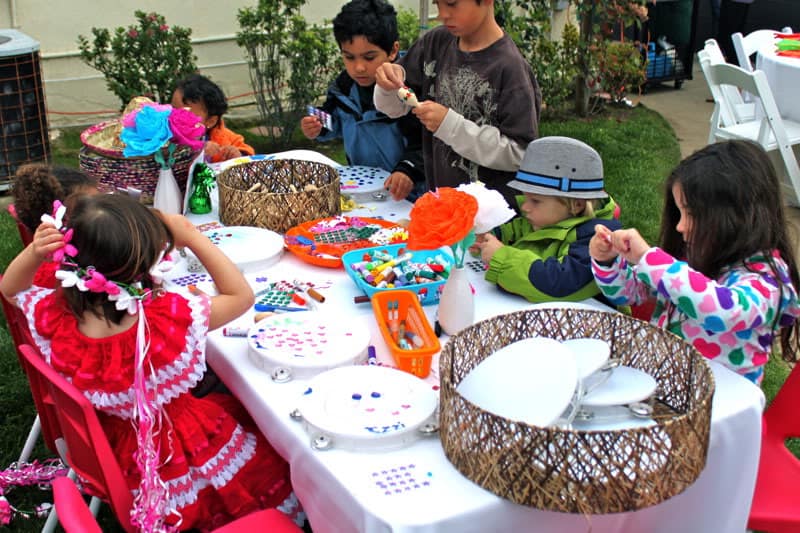
Activity 1: Arrival and Icebreaker (Quiet Activity)
As guests arrive at different times, you need something to occupy early arrivals while you wait for everyone. Set up a quiet, independent activity station:
- A themed coloring station with crayons and character coloring pages
- Play dough or LEGO with cookie cutters matching your theme
- A simple building block station
- A “decorate your own party hat” craft
This gives children something to do immediately and helps shy children ease into the party atmosphere.


Activity 2: The Main Event (High Energy)
This is your party’s centerpiece—the activity children will remember most. Choose one or two structured games that get kids moving, and keep these activities short (5-10 minutes each) and have the materials ready to go so there is no lag time between games.
- Themed scavenger hunt with clues hidden around the party area (e.g., “dinosaur eggs,” “superhero shields”). This is great for all ages and encourages teamwork.
- Classic games with a twist: Pin the Tail becomes Pin the Cape on the Superhero
- Freeze Dance with theme music: Simple, requires no props, and instantly burns energy. Use a themed playlist if possible!
- Relay races with silly challenges
- Parachute games for cooperative fun: If space allows, a large fabric parachute is an absolute hit with the preschool set. Simple games like “making waves” are great energy burners.
Keep games moving quickly with clear, simple rules. If a game isn’t working, don’t hesitate to switch to your backup activity.
Host Tip: Prepare prize buckets before the party with cheap, theme-appropriate items (stickers, pencils, bouncy balls). Simple recognition—not expensive rewards—is all that’s needed to motivate the kids.
Activity 3: The Wind-Down (Structured Seating)
After high-energy activities, transition to a calmer atmosphere. This is when you bring out the cake, sing Happy Birthday, and let children rest while eating. Some families choose to open presents during this time as a group activity, though this is optional and can be time-consuming with large groups.
This is your bridge from high-energy games to the calmer food time.
- The Story Time Circle: A host or parent reads a fun, theme-appropriate book. This works best for ages 6 and under.
- Bubble Fun: If you have an outdoor space, using a bubble machine is a magical, quiet visual activity.
- Opening Presents: If you plan to open gifts at the party, reserve this time. It requires structured seating and naturally calms the group before the final food frenzy.
3. Essential Host Delegation
You cannot host, supervise, take photos, and run games all at once.
- Recruit a Game Master: Ask your partner, a trusted teen, or a close friend to be the official “Game Master.” Their sole job is to read the instructions, lead the activities, and hand out prizes.
- Supervision Zones: If the party is large, designate one adult to supervise each major area (e.g., one adult near the food table, one near the game area) to prevent accidents and keep things orderly.
Maintaining Order During Chaos
Even well-planned parties can feel chaotic with energetic children. Implement these strategies:
- Recruit a co-host, whether a spouse, family member, or friend, to help manage activities
- Use a whistle or bell to get attention when transitioning between activities
- Keep games moving quickly—if interest wanes, move to the next activity
- Have a backup activity prepared in case something doesn’t work as planned
- Designate a quiet corner with books or puzzles for any child who becomes overwhelmed
The Power of Simple Props
Sometimes the simplest items create the most joy. A bubble machine running continuously delights children of all ages and creates a festive atmosphere. A colorful play parachute can provide 15-20 minutes of cooperative entertainment with minimal instruction. These affordable items are worth having in your party arsenal.
🍽️ Food & Favors: Simple, Safe, and Fun
When dealing with a room full of excited children (and often, cautious parents), the food strategy should be simple, safe, and easily consumable. The favors are the final, lasting impression of the day.
Creating a Kid-Friendly Menu
When it comes to party food, simplicity and ease are key. Children are typically too excited to sit for a formal meal, so focus on easy-to-eat options that they can grab quickly.
Children are often too excited to sit down for a formal meal, so prioritize finger foods and quick-grab options.
Perfect Party Food Options:
- The Golden Rule: Stick to the Classics. Don’t try new recipes. Stick to universally loved foods that are easy to prepare in bulk:
- Mainstays: Pizza slices, mini hot dogs, chicken nuggets, or simple mini sandwiches (crusts cut off!).
- Healthy Balance: A colorful fruit tray (grapes, berries, melon) and a veggie tray with ranch dip.
- Snacks: Small bowls of pretzels, plain chips, or goldfish crackers.
- Drink Strategy: Easy Cleanup. Avoid serving open cups of juice or soda. Stick to small, individual juice boxes and bottled water. These minimize spills and simplify the trash collection afterward. Consider labeling water bottles with each child’s name to prevent waste from abandoned drinks.
- Allergy Awareness: This is critical. Check the RSVPs for any severe allergies (especially peanut/nut allergies). If one child has a severe allergy, it is safest to make the entire party nut-free. Always clearly label food items, especially if they are catered or contain potential allergens.
2. The Dessert Display
While the birthday cake is the dessert centerpiece, consider adding themed snacks that enhance your party concept:
- The Main Event (Cake): Focus on a cake design that works with your theme and budget. Cupcakes or individual mini cakes are excellent alternatives to a single large cake, as they eliminate cutting time and simplify serving.
- Themed Treats: Use simple snacks to enhance the theme. These themed treats don’t need to be complicated—simple creative presentation turns ordinary snacks into party magic:
- Example: For a “Dinosaur” party, serve “Dino Eggs” (chocolate-covered almonds) and “Swamp Juice” (green punch).
- Example: For an “Outer Space” party, serve “Moon Rocks” (powdered donut holes) and “Rocket Fuel” (blue sports drink).
- Construction party: “Dirt cups” made with chocolate pudding and crushed Oreos with gummy worms Wizard party: Pretzel rods dipped in chocolate as “magic wands” Under the sea party: Swedish fish candy and blue Jello cups Space party: “Moon rocks” (donut holes) and “rocket fuel” (red punch)
- Candles and Singing: Have the camera ready! Keep the cake-cutting transition quick and smooth to hold the children’s attention.


3. Party Favors That Don’t End Up in the Trash
Traditional party favor bags filled with cheap plastic toys often end up in the trash within days. Instead, give one meaningful, useful item that children will actually enjoy:
- Favors with Purpose:
- Themed Craft: A small pack of crayons and a themed coloring book.
- The craft item created during the party
- Outdoor Fun: Bubbles, sidewalk chalk, or a small bouncy ball in a themed container.
- Education: A small, themed book related to your party theme or a packet of seeds for a “Garden” party with planting instructions.
- Consumable Treat: A single, high-quality custom cookie or a bag of gourmet popcorn.
- Presentation: Package the favors in simple paper bags or clear cello bags tied with a ribbon in the party colors. Place them near the exit so guests can grab them on the way out, which serves as a gentle end-of-party cue.
📅 The Final Countdown: 7 Days to Party Time
The week leading up to the party is about confirming, delegating, and prepping everything that can be done ahead of time. Follow this timeline to ensure you are stress-free on the big day!
7 Days Before: Confirm and Purchase
- Finalize RSVP Count: Send a polite reminder to any guests who haven’t responded. This number is critical for food and favor purchasing.
- Final Vendor Checks: Confirm delivery/pick-up times and details with the cake bakery, caterer, or entertainment provider (e.g., face painter, bouncy house rental).
- The Final Buy: Purchase all non-perishable food, drinks (bottled water, juice boxes), and paper goods (plates, napkins).
- Delegate Tasks: Assign specific roles to your co-host(s), partner, or a trusted friend (e.g., “Game Master,” “Photo Taker,” “Clean-up Manager”).
3 Days Before: Prep and Organize
- The Big Clean: If hosting at home, deep clean the party areas now. You’ll only have to tidy up on the morning of the party.
- Activity Organization: Place all game props, craft supplies, and prizes into clearly labeled containers or bags, organized by the order they will be used.
- Make Space: Clear a designated area for coats, gifts, and party favors near the exit.
- Pre-Chill Drinks: Start chilling all bottled water and juice boxes in a cooler or dedicated fridge space.
The Day Before: Set the Scene
- Decorate the Zone: Hang up all streamers, banners, and non-helium balloons. This is a massive time-saver on party day.
- Set the Tables: Lay out tablecloths and set up the plates, napkins, and cutlery.
- Kitchen Prep: Do all possible food prep (e.g., chopping veggies, making dips, washing fruit).
- Charge Everything: Charge your phone, camera, and any portable speakers or battery packs you plan to use for music.
- The Host Outfit: Lay out your clothing and your child’s outfit so there’s no frantic searching in the morning.
Day Of: Enjoy the Moment!
- Morning Tasks (3 Hours Before): Pick up the cake (or have it delivered). Arrange perishable food. Inflate helium balloons.
- Final Setup (1 Hour Before): Put out ice, light candles if using, turn on music, and take a deep breath.
- The Host Mindset: No matter what goes wrong (the cake is slightly crooked, a balloon pops), decide now that it doesn’t matter. Focus on the joy of celebrating your child.
- Capture the Memories: Hand the camera/phone to your designated Photo Taker so you can be present with your child!
🥳 Conclusion: Celebrating the Joy
You’ve navigated the planning, conquered the budget, and successfully managed the sugar-fueled chaos! Now, take a moment to look at the beautifully executed party, and more importantly, at your child’s face. That genuine, unrestrained happiness—that is the ultimate reward for all your preparation.
Remember, the goal of a kids’ birthday party isn’t perfection; it’s creating a memorable, joyous experience for your child. By following this step-by-step guide, you’ve ensured that the party was not only fun for the kids but manageable and stress-free for you.
What was the biggest hit at your child’s party this year—was it the cake, a specific game, or the theme? Share your party triumphs and tips in the comments below!
Kids Birthday Party Planning Frequently Asked Questions
How far in advance should I start planning my child’s birthday party?
Begin planning 6-8 weeks before the party date. This timeline gives you adequate time to choose a theme, send invitations, receive RSVPs, and prepare activities without last-minute stress. For popular party venues, you may need to book even earlier, especially during peak party seasons like spring and early summer.
What’s a reasonable budget for a kids’ birthday party?
Budget expectations vary widely depending on location and party size, but many successful home parties can be executed for $200-$400, covering decorations, food, cake, and favors for 10-15 children. Venue parties typically cost more. Focus your budget on high-impact elements like food and one memorable activity rather than spreading resources thin across many small details.
How do I handle food allergies at a kids’ party?
Request allergy information on your invitation or during RSVP conversations. Once you know about allergies, plan a menu that accommodates them when possible, or provide specific safe alternatives for affected children. Label foods clearly if allergens are present. When in doubt, fruit, vegetables, and simple proteins like plain chicken are generally safe options. Always have the parent’s contact information readily available in case of emergencies.
Should I open presents at the party or later?
This decision depends on your party size and time constraints. For smaller parties with 10 or fewer guests, opening presents together can be a nice activity that allows gift-givers to see the birthday child’s reaction. For larger parties, opening presents takes considerable time and can lead to restlessness among waiting children. Consider opening them after the party and sending personalized thank-you notes or photos of your child with each gift.
What do I do if more children show up than RSVP’d?
Always prepare for 2-3 extra guests beyond your RSVP count. Buy slightly more food than needed, prepare extra craft supplies, and have additional party favors on hand. If significantly more guests arrive unexpectedly, don’t panic—children are typically happy to share, and activities can be modified. The most important thing is maintaining a welcoming atmosphere even when plans change.
References
- American Academy of Pediatrics. “Safety Tips for Birthday Parties.” HealthyChildren.org. Provides guidelines on age-appropriate activities and safety considerations for children’s parties.
- Parents Magazine. “The Ultimate Birthday Party Planning Guide.” Parents.com. Offers expert advice on party planning timelines, budgeting, and age-specific recommendations.
- Food Allergy Research & Education (FARE). “Hosting a Food Allergy-Friendly Party.” FoodAllergy.org. Essential resource for understanding and accommodating food allergies at children’s gatherings.
- The Spruce. “Kids’ Birthday Party Games and Activities by Age.” TheSpruce.com. Comprehensive collection of age-appropriate party games and entertainment ideas.
- Real Simple. “How to Plan a Kids’ Birthday Party on a Budget.” RealSimple.com. Practical tips for creating memorable celebrations without overspending, including DIY decoration ideas and cost-saving strategies.
Related Post:
The Perfect Words: Birthday Wishes for the Special Young Ladies in Your Life
How to Plan the Ultimate Sweet 16 Party?