
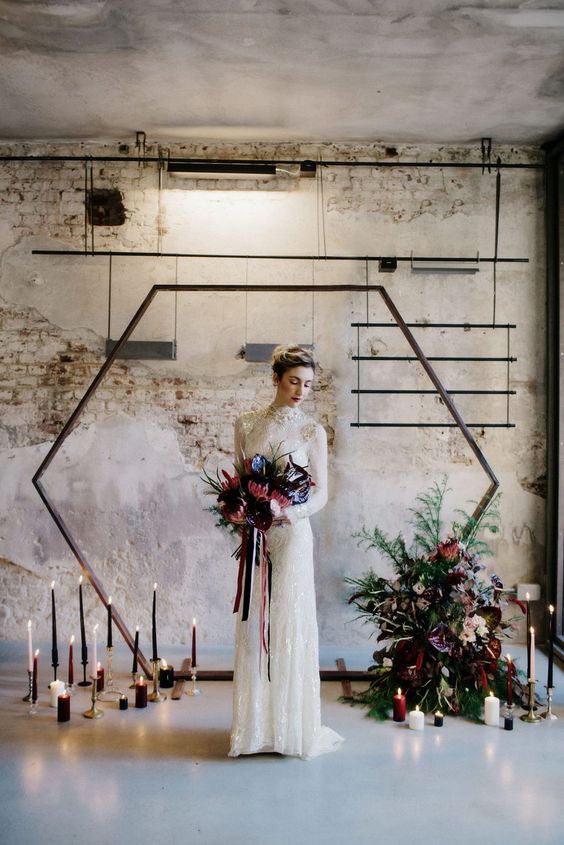
The short answer? It absolutely can be a good budget, but it depends on your priorities, location, and guest count.
Planning a wedding comes with one inevitable question: how much should we spend? If you’re working with a $10,000 budget, you might be wondering whether it’s realistic—or if you’ll need to make significant compromises.
The Wedding Cost Landscape
The average wedding in the United States costs between $28,000 and $35,000, according to recent industry surveys. However, this number can be misleading.
Averages are skewed by luxury weddings that cost $100,000 or more, and they don’t reflect the reality that many couples successfully celebrate their union for far less.
Regional differences matter significantly. A wedding in New York City or San Francisco will stretch a budget much thinner than the same celebration in smaller cities or rural areas. Venue costs, vendor rates, and even catering prices vary dramatically by location.
What $10,000 Can Cover
With thoughtful planning, a $10,000 budget can absolutely create a beautiful, memorable wedding. Here’s how you might allocate those funds for a wedding with 75-100 guests:
Venue and Catering (40-50%): $4,000-$5,000 This is typically your largest expense.
Consider restaurants with private dining rooms, community centers, parks with pavilions, or even a family member’s backyard. All-inclusive venues can sometimes offer better value by bundling services.
Photography (10-15%): $1,000-$1,500 Professional photography preserves your memories forever.
Look for talented newer photographers building their portfolios, or consider hiring a photographer for fewer hours and having a friend capture the reception.
Attire (10%): $1,000 This covers wedding dress or suit, alterations, shoes, and accessories for both partners.
Sample sales, online retailers, and renting can help stretch this category.


Flowers and Décor (8-10%): $800-$1,000 Choose in-season flowers, consider minimalist arrangements, or embrace DIY centerpieces.
Greenery and candles create atmosphere affordably.


Music/Entertainment (8-10%): $800-$1,000 A DJ typically costs less than a band. Alternatively, create curated playlists and rent a quality sound system.
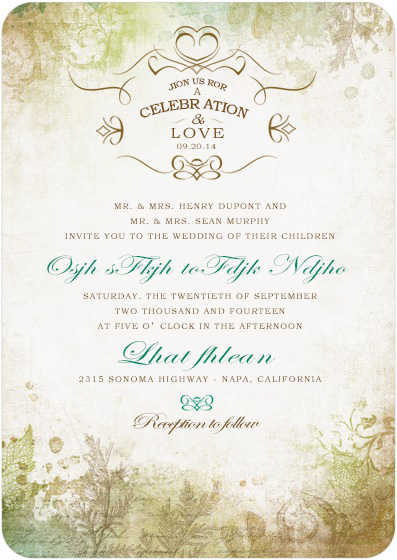
Invitations and Paper Goods (3-5%): $300-$500
Digital invitations are increasingly accepted, or choose simple printed designs from online retailers.
Get your unique wedding card suite at Happyinvitation.com start at price $1.


Rings (5%): $500 Wedding bands don’t need to break the bank. Many beautiful, durable options exist at various price points.
Miscellaneous (10%): $1,000 This buffer covers marriage license, tips, transportation, gifts for wedding party, and unexpected costs.
When $10,000 Is Plenty
Your $10,000 budget will work beautifully if you:
- Keep your guest list intimate (under 75 people)
- Get married in an affordable region or during the off-season
- Prioritize a few key elements rather than trying to have everything
- Have flexibility with your date (weekday or Sunday weddings cost less)
- Embrace a casual or non-traditional celebration style
- Have friends or family who can contribute skills (photography, baking, flowers)
When It Might Feel Tight
You may find $10,000 challenging if you:
- Want a large guest list (150+ people)
- Are set on a peak season Saturday in a major metropolitan area
- Have your heart set on a luxury venue or specific high-end vendors
- Want elaborate décor, multiple outfit changes, or extensive bar service
- Are planning in an expensive region with high vendor minimums
Smart Strategies for Maximizing Your Budget
Prioritize ruthlessly. Decide what matters most to you as a couple. Is it incredible food? Amazing photos? A stunning dress? Allocate more money to your top three priorities and scale back on everything else.
Think outside the wedding industry. Regular restaurants, city parks, art galleries, and historic sites often cost a fraction of traditional wedding venues. Caterers who don’t specialize in weddings may offer better rates.
hoose an off-peak time. Friday evenings, Sunday afternoons, or weekday celebrations typically come with discounts. November through March (excluding holidays) is generally more affordable than May through October.
[Check out our guide to: The November Wedding Checklist: What to Wear, Eat, and Decorate with This Season ]
Limit the guest list. This is the single most effective way to control costs. Every guest impacts your venue size, catering costs, rental needs, and more. An intimate celebration of 50 people allows you to spend more per person on what matters.
[Check out our guide to: How to Select Your Wedding Guest List?]
Bundle where possible. All-inclusive venues that provide catering, tables, chairs, and basic décor can actually save money by eliminating coordination costs and rental fees.
DIY selectively. Handle what you genuinely enjoy and have time for, like playlist creation or simple centerpieces. Don’t DIY your wedding cake or photography—some things are worth hiring professionals.
[Check out our guide to: Ditch the Planner, DIY Your Wedding Dream]
Communicate openly with vendors. Many vendors can work with your budget if you’re upfront about it. They might suggest package modifications, shorter service times, or alternative options.



The Bottom Line
A $10,000 wedding budget is not only good—it’s completely reasonable and can result in a celebration that’s elegant, personal, and memorable. The key is approaching your planning with clear priorities, creativity, and flexibility.
Remember that the most meaningful weddings aren’t defined by their price tags. They’re defined by the love being celebrated, the people who gather to witness it, and the intentionality you bring to creating a day that reflects who you are as a couple. Whether you spend $5,000 or $50,000, what matters is starting your marriage surrounded by love and joy—and that’s priceless.
So yes, $10,000 is absolutely a good budget for a wedding. With smart choices and a focus on what truly matters to you, it’s more than enough to create a day you’ll cherish forever.
Frequently Asked Questions
Can you have a wedding for $10,000?
Yes, absolutely. Many couples successfully plan beautiful weddings for $10,000 or less. The key is prioritizing what matters most to you, keeping your guest list manageable (typically 75-100 people or fewer), and being strategic about where you allocate your budget. Off-peak dates, alternative venues, and focusing on a few standout elements rather than every traditional wedding feature will help you stay within budget.
What is a realistic budget for a small wedding?
For a small wedding of 30-50 guests, a realistic budget ranges from $5,000 to $15,000, depending on your location and priorities. Intimate celebrations allow you to spend more per guest on quality food and drink, or invest in standout elements like professional photography. Small weddings naturally reduce costs for catering, rentals, invitations, and favors, making them ideal for couples working with tighter budgets.
Is $5,000 enough for a wedding?
Yes, $5,000 can be enough for a wedding, particularly if you keep your guest list very small (under 50 people), choose a budget-friendly or free venue like a backyard or public park, and embrace a casual celebration style. You’ll need to be selective about which vendors you hire and creative about DIY elements, but many couples create meaningful celebrations at this price point by focusing on what truly matters to them.
How much should you spend on a wedding?
You should spend what you can comfortably afford without going into significant debt or depleting your savings. Financial experts often suggest spending no more than 10% of your combined annual income, but this varies widely based on your financial situation, savings, family contributions, and personal priorities. The “right” amount is whatever allows you to celebrate meaningfully while still maintaining financial health for your future together.
What is the average cost of a wedding for 100 guests?
The average cost for a 100-guest wedding in the United States ranges from $20,000 to $35,000, though this varies significantly by location. In major metropolitan areas, costs can easily exceed $40,000, while in smaller cities or rural areas, you might spend $15,000-$25,000. The biggest per-guest expenses are typically catering ($50-$150 per person), alcohol ($15-$50 per person), and venue rental.
How do you plan a wedding on a $10,000 budget?
Start by determining your non-negotiables and allocating the largest portions of your budget there (typically venue and catering take 40-50%). Keep your guest list under 100 people, choose an off-peak date or time, and research non-traditional venues that cost less than wedding-specific spaces. Get quotes from multiple vendors, be transparent about your budget, and don’t be afraid to DIY elements you genuinely enjoy creating. Build in a 10% buffer for unexpected costs.
What costs the most in a wedding?
The top three expenses in most weddings are: (1) Reception venue and catering, which typically account for 40-50% of your total budget; (2) Photography and videography, usually 10-15%; and (3) Music and entertainment, around 8-10%. These three categories alone often represent two-thirds of your total wedding costs. Understanding this breakdown helps you prioritize where to splurge and where to save.
Is it cheaper to have a wedding on Friday or Sunday?
Yes, Friday evening and Sunday afternoon weddings are typically 10-30% cheaper than Saturday weddings. Many venues and vendors offer discounted rates for non-Saturday events since demand is lower. Sunday brunch or afternoon weddings can be particularly cost-effective as you can serve less expensive menu options. The trade-off is that some guests may have difficulty attending due to work schedules, so consider your guest list’s flexibility when choosing your day.
Related Post:
Small, Medium, or Grand? Defining Wedding Sizes
How to Plan A Gorgeous Barn Wedding?