
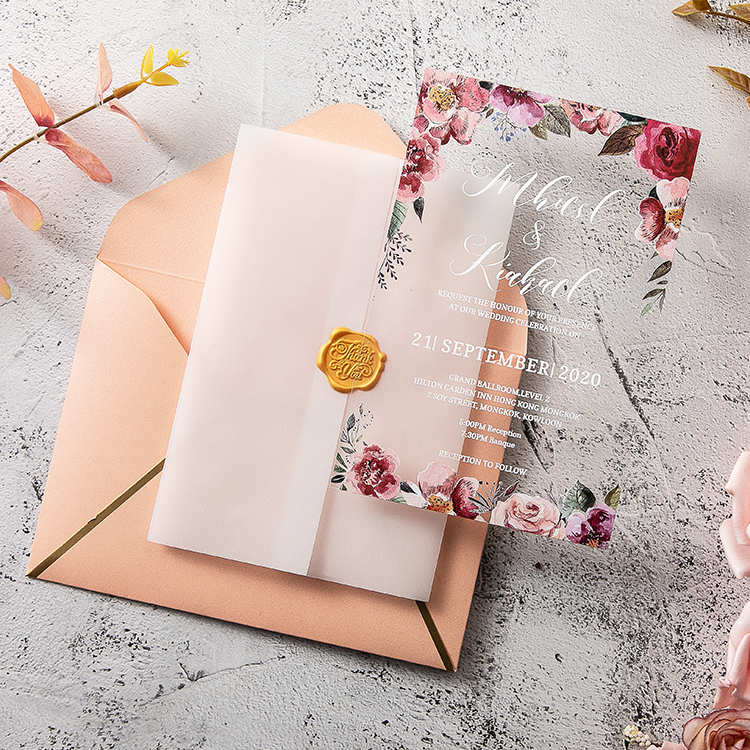
Your wedding invitation sets the tone for your entire celebration. It’s more than just paper—it’s the first glimpse your guests get of your style, formality, and love story.
What should wedding invitation wording include?
Wedding invitation wording should include the host line, request line, couple’s names, wedding date and time, venue details, reception information, and RSVP instructions. Optional details like dress code and a wedding website can also be included for clarity.


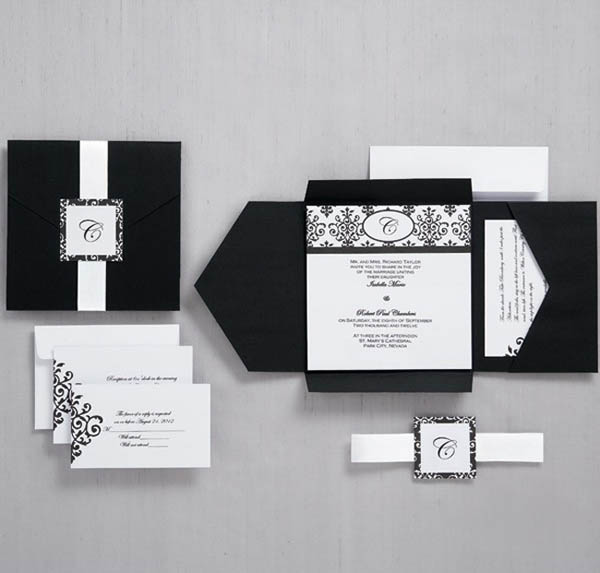
But wording can feel surprisingly tricky.
Do you go formal or modern? Include parents or not? What about dress code, plus-ones, or RSVP details?
This complete guide breaks it all down so you can craft wedding invitations that feel elegant, clear, and completely you.
What to Write on Wedding Invitations
How do you word a wedding invitation?
To word a wedding invitation, include the host, a request line, the couple’s names, the date and time, venue details, and RSVP information. Choose formal wording for traditional weddings or modern phrasing for a more relaxed tone.
Every wedding invitation—whether classic or modern—should include these core details:
1. Start with the host line
Who is hosting (traditionally the parents, but now often the couple themselves).
Examples:
- Mr. and Mrs. Smith request the honor of your presence…
- Together with their families…
- Alex Johnson & Taylor Lee invite you…
👉 Tip:
- Formal weddings → include full names + parents
- Modern weddings → keep it simple with the couple’s names
2. Add the request line
This is the line that actually invites guests.
Formal wording:
- Request the honor of your presence (religious ceremony)
- Request the pleasure of your company (non-religious)
Modern wording:
- Invite you to celebrate their wedding
- Join us as we say “I do”
3. Include the couple’s names
Traditionally:
- Bride’s name first, then groom’s
Modern:
- Any order you prefer
- Same-sex couples → choose what feels natural
4. Write the date and time
Formal format:
- Saturday, the tenth of June, two thousand twenty-six at four o’clock
Modern format:
- Saturday, June 10, 2026 at 4:00 PM
👉 Avoid abbreviations in formal invitations.
5. Add venue details
Include:
- Venue name
- City + state (or full address if needed)
Example:
- The Grand Ballroom, Chicago, Illinois
6. Include reception information
If the reception is at the same location:
- Reception to follow
Different venue:
- Include full address or separate card
7. Finish with RSVP details
Traditionally:
- RSVP card included
Modern:
- Website link or QR code
Example:
- Kindly reply by May 1st
- RSVP at: www.yourwedding.com
Wedding Invitation Wording Format (Step-by-Step)
What is the proper format for wedding invitations?
The proper format for wedding invitations follows this order: host line, request line, couple’s names, date and time, venue, reception details, and RSVP instructions. This structure ensures clarity and maintains traditional etiquette.
| Section | What to Include | Example |
|---|---|---|
| Host Line | Who is hosting | Together with their families |
| Request Line | Invitation phrase | Request the pleasure of your company |
| Couple Names | Names of couple | Emily Smith & Michael Carter |
| Date & Time | Wedding schedule | June 10, 2026 at 4:00 PM |
| Venue | Location | Chicago, Illinois |
| Reception | After ceremony info | Reception to follow |
| RSVP | Response details | RSVP by May 1 |
💍 Formal vs Modern Wedding Invitation Wording
🕊️ Formal Example
Mr. and Mrs. John Smith
request the honor of your presence
at the marriage of their daughter
Emily Rose Smith
to
Michael James Carter
Saturday, the tenth of June
two thousand twenty-six
at four o’clock in the afternoon
The Grand Ballroom
Chicago, Illinois
Reception to followModern Example
Emily & Michael
are getting married!
Join us for a celebration of love
June 10, 2026 at 4:00 PM
The Grand Ballroom, Chicago
Dinner, drinks & dancing to follow
RSVP: www.emilyandmichael.com
Formal vs Modern Wedding Invitation Wording
| Feature | Formal | Modern |
|---|---|---|
| Tone | Traditional | Relaxed |
| Format | Spelled-out | Numeric allowed |
| Style | Structured | Flexible |
How to Include Dress Code (Without Sounding Awkward)
Dress codes help guests feel comfortable—and avoid confusion.
Elegant ways to include it:
- Black Tie
- Cocktail Attire
- Garden Party Attire
- Formal Attire Requested
👉 Place this at the bottom or on a details card.
Common Wording Situations (Solved)
1. Divorced or Blended Families
Use neutral wording:
- Together with their families
2. No-Children Wedding
Be polite but clear:
- Adult-only celebration
- Or specify names on the envelope
3. Plus-Ones
Indicate on RSVP:
- ___ seats reserved in your honor
4. Destination Wedding
Add extra details:
- Travel info
- Accommodation suggestions
- Wedding website link
Wedding Invitation Wording Etiquette
- Spell everything out (formal weddings)
- Avoid abbreviations (St., Rd., etc.)
- Be consistent with tone throughout
- Proofread multiple times (names + dates matter!)
- Order extra invitations for keepsakes and mistakes
Pro Tips for a High-End, Luxurious Feel
If you want your invitations to feel expensive and elegant, focus on:
- Minimal, clean wording (less clutter = more luxury)
- Balanced spacing and typography
- High-quality paper (thick cardstock, textured finishes)
- Neutral or soft color palettes
👉 The wording itself should feel intentional, calm, and refined.


❓ FAQ: Wedding Invitation Wording
There’s no single “correct” format—just include key details: host, couple, date, time, venue, and RSVP.
Only if they are hosting. Otherwise, use “together with their families” or list just the couple.
Yes! Especially for modern or outdoor weddings. Just keep it clear and readable.
At the bottom of the invitation or on a separate details card.
Absolutely—this is now standard for RSVPs and extra details.
To word a wedding invitation, include the host, a request line, the couple’s names, the date and time, venue details, and RSVP information. Choose formal wording for traditional weddings or modern phrasing for a more relaxed tone.
The proper format for wedding invitations follows this order: host line, request line, couple’s names, date and time, venue, reception details, and RSVP instructions. This structure ensures clarity and maintains traditional etiquette.
“Request the honor of your presence” is a formal phrase traditionally used for religious wedding ceremonies, indicating a high level of formality and respect.
Yes, wedding invitations can be informal, especially for casual or outdoor weddings. Modern wording is widely accepted as long as key details are clearly included.
Final Thoughts
Your wedding invitation wording should reflect your personality, your relationship, and the atmosphere you’re creating.
Whether you choose timeless elegance or modern simplicity, the goal is the same:
👉 Make your guests feel excited, informed, and welcomed.
Continue to read:
The Complete 12-Month Wedding Planning Timeline: A Month-by-Month Guide
What to Wear: A Complete Breakdown of Wedding Guest Dress Codes
What Makes A Wedding Look Expensive? (Even If It Isn’t)