

Planning a wedding can feel overwhelming—but one of the most powerful ways to reduce stress is simple: communicate openly with your wedding vendors.
From your florist to your photographer, clear and honest communication ensures your vision comes to life exactly as you imagined. In this guide, we’ll show you how to build strong vendor relationships, avoid misunderstandings, and create a smooth, enjoyable wedding planning experience.


Why Open Communication with Wedding Vendors Matters
Your wedding vendors are your partners—not just service providers. The more clearly you communicate, the better they can deliver results that match your expectations.
Benefits of strong communication:
- Fewer last-minute surprises
- Better alignment with your wedding vision
- More accurate quotes and timelines
- Stronger trust and collaboration
When vendors understand your needs from the start, everything runs more smoothly.
1. Be Clear About Your Vision from the Start
Before reaching out to vendors, take time to define your wedding style.
Ask yourself:
- What is your theme? (romantic, modern, vintage, minimalist) [Check out our guide to: Out Door Wedding Theme- Camping Wedding Ideas | Happyinvitation.com]
- What colors are you using?
- What kind of atmosphere do you want?
Pro Tip:
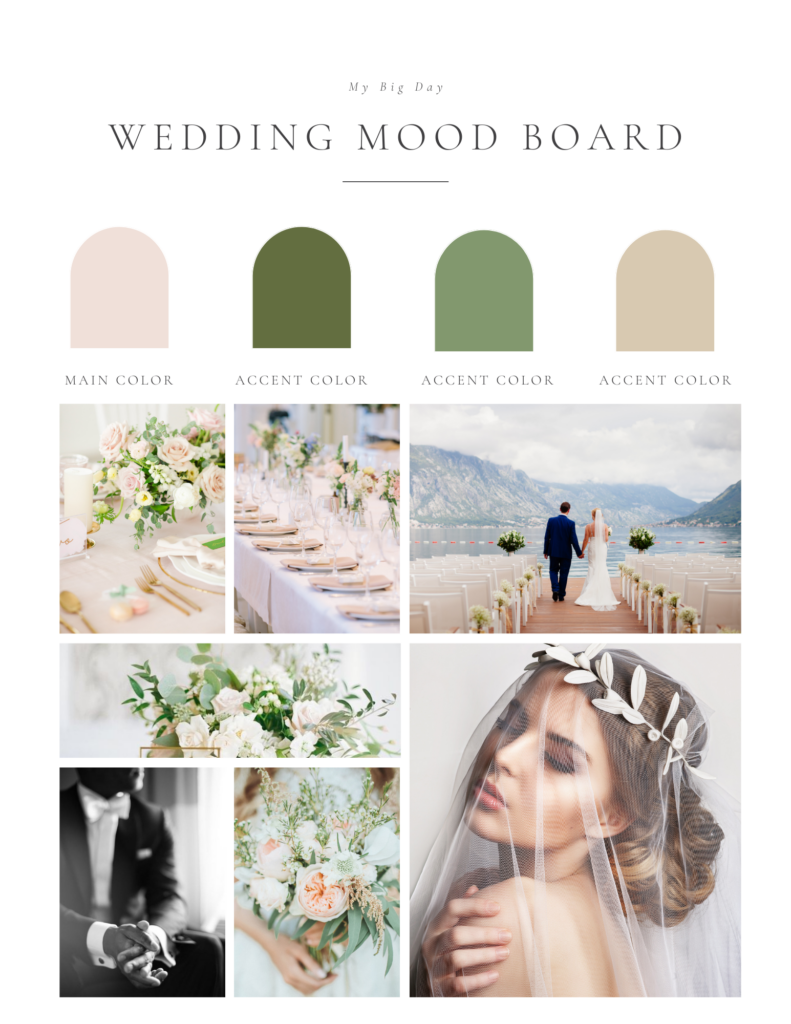
Create a mood board or Pinterest board to visually communicate your ideas. This helps vendors instantly understand your aesthetic.


2. Set Expectations Early
Miscommunication often happens when expectations aren’t clearly defined.
Be upfront about:
- Budget range
- Timeline and deadlines
- Must-have details
- Guest count
For example, telling a caterer your budget early helps them suggest realistic menu options—saving time and frustration.
Check out The 50/30/20 Rule: The Secret to a Stress-Free Wedding Budget
3. Ask Questions (Even the “Obvious” Ones)
Never assume anything.
Important questions to ask:
- What exactly is included in the package?
- Are there extra fees?
- What is your cancellation or refund policy?
- How do you handle unexpected issues?
Clear answers now prevent confusion later.
4. Keep All Communication Organized
Wedding planning involves multiple conversations across different vendors. Staying organized is key.
Best practices:
- Use one primary communication channel (email is ideal)
- Keep contracts, invoices, and messages in one folder
- Take notes after calls or meetings
This ensures you always have a record to refer back to.
5. Be Honest About Changes
Plans change—it’s normal.
Whether you’re adjusting your guest count, switching décor, or updating your timeline, tell your vendors as soon as possible.
Why it matters:
- Vendors can adapt more easily with advance notice
- Avoid additional fees from last-minute changes
- Maintain a positive working relationship
6. Respect Their Expertise
You hired your vendors for a reason—they’re professionals.
While it’s important to share your vision, be open to their suggestions.
Example:
A florist might recommend seasonal flowers that look better and cost less than your original idea.
Collaboration often leads to better results than strict control.


7. Confirm Every Detail Before the Big Day (Your Final Vendor Checklist)
As your wedding day approaches (ideally 2–4 weeks before), it’s essential to reconfirm every detail with each vendor. Even small miscommunications can cause unnecessary stress on the day itself—this step ensures everything runs seamlessly.
Think of this as your final alignment checkpoint.
📅 1. Timeline & Full Wedding Day Schedule
Don’t just confirm the ceremony time—review the entire timeline in detail.
What to double-check:
- Vendor arrival times (who arrives first, who sets up when)
- Setup and breakdown windows
- Ceremony start and end time
- Cocktail hour timing
- Reception flow (entrance, speeches, dinner, cake cutting, first dance)
- Photographer/videographer coverage hours
Pro Tip:
Send one master timeline document to all vendors so everyone is working from the same schedule—not different versions.
🚚 2. Delivery, Setup & Logistics
Logistics are one of the most common sources of wedding-day issues.
Confirm clearly:
- Exact delivery times for rentals, flowers, cake, décor
- Setup responsibilities (who sets up what?)
- Venue access times and restrictions
- Parking instructions or loading zones
- Cleanup and pickup arrangements
Example:
If your florist arrives before the venue opens, it can cause delays—so timing coordination is critical.
📞 3. Updated Contact Information
On your wedding day, you won’t be the one answering calls.
Make sure vendors have:
- Your phone number
- A backup contact person (planner, maid of honor, best man, or family member)
- Venue coordinator contact details
Pro Tip:
Assign one reliable person as the main point of contact so vendors don’t interrupt you during your big moments.
💳 4. Final Payments & Gratuities
Money conversations should be fully resolved before the wedding day.
Confirm:
- Remaining balances and due dates
- Accepted payment methods
- Whether tips are included or expected
- Who is responsible for distributing tips
Helpful tip:
Prepare labeled envelopes for tips in advance and give them to your coordinator or trusted person.
📦 5. Final Guest Count & Order Adjustments
Many vendors depend on your final numbers.
Update and confirm with:
- Caterer (meals, dietary restrictions)
- Rental company (chairs, tables, tableware)
- Stationery (place cards, menus, seating charts)
Even a small guest count change can impact logistics and cost.
🎨 6. Design & Style Confirmation
Now’s the time to make sure your vision is being executed correctly.
Review with vendors:
- Floral arrangements and color palette
- Table styling and décor setup
- Cake design and display
- Lighting and ambiance details
Pro Tip:
Re-share your inspiration photos or mood board to avoid any last-minute confusion.
⚠️ 7. Backup Plans & Contingencies
Unexpected situations happen—weather, delays, or technical issues.
Discuss backup plans like:
- Rain plan for outdoor weddings
- Indoor alternatives
- Equipment backups (especially for music and lighting)
- Vendor emergency contacts
Knowing there’s a plan B will give you peace of mind.
📝 8. Contracts & Agreements Review
Take a final look at all signed contracts.
Check for:
- Services included
- Timing commitments
- Overtime fees
- Cancellation or delay clauses
This ensures there are no surprises if anything changes.
✅ 9. Send a Final Confirmation Message
A few days before the wedding, send a quick confirmation email to each vendor.
Example message:
- Reconfirm date, time, and location
- Attach the final timeline
- Include contact person details
- Thank them and express excitement
This keeps everything fresh and top of mind.
💡 Why This Step Matters
Weddings involve many moving parts—and multiple vendors working independently.
By confirming every detail:
- You eliminate assumptions
- You reduce last-minute stress
- You ensure vendors are fully prepared
- You create a smoother, more enjoyable wedding day
8. Build a Relationship with Your Wedding Vendors (Not Just a Transaction)
Your wedding vendors are not just people you hire—they are the team bringing your vision to life. When you treat them as collaborators rather than just service providers, the entire experience becomes smoother, more personalized, and often far more magical.
A strong relationship can be the difference between a vendor simply “doing their job” and a vendor going above and beyond to make your day unforgettable.
💛 Why Relationships Matter More Than You Think
Wedding vendors often work long hours under pressure, juggling multiple events and clients. When they feel respected, trusted, and appreciated, they are far more invested in your wedding.
What happens when you build a strong connection:
- Vendors become more flexible with requests
- They may offer creative ideas you hadn’t considered
- They prioritize your event with extra care
- They’re more likely to solve problems quickly and proactively
In short: people do their best work for people they like and respect.
🤝 1. Communicate Like a Real Human (Not Just a Client)
It’s easy to keep communication purely transactional—but adding a human touch goes a long way.
Instead of:
“Send me pricing.”
Try:
“Hi! I love your work, especially your recent weddings. I’d love to learn more about your packages and how you typically work with couples.”
This small shift:
- Builds warmth instantly
- Shows genuine interest
- Sets a collaborative tone from the beginning
⏱️ 2. Respond Promptly and Respect Their Time
Vendors often manage tight schedules and multiple clients.
Good communication habits:
- Reply within 24–48 hours when possible
- Be clear and concise in your messages
- Avoid sending scattered messages across multiple platforms
Why it matters:
Delayed responses can slow down planning, impact availability, and create unnecessary stress on both sides.
🙏 3. Show Appreciation Throughout the Process
Gratitude is simple—but incredibly powerful.
Ways to show appreciation:
- Say “thank you” after meetings or calls
- Acknowledge their ideas and effort
- Send a quick message after a big milestone (like finalizing designs)
Example:
“Thank you for your suggestions today—they really helped clarify my vision. I’m so excited to work together!”
Feeling appreciated motivates vendors to invest more emotionally and creatively in your wedding.
🎯 4. Trust Their Expertise (While Sharing Your Vision)
You hired your vendors because they’re professionals—so let them guide you.
Balance is key:
- Clearly share your preferences and must-haves
- Stay open to their recommendations
- Avoid micromanaging every detail
Example:
If your photographer suggests adjusting your timeline for better lighting, it’s usually based on experience—not convenience.
Result:
You get better outcomes and a smoother working relationship.
💬 5. Be Honest, Transparent, and Respectful
Open communication builds trust—but honesty must be delivered with respect.
If something isn’t right:
- Address it early (don’t wait until the last minute)
- Be specific but polite
- Focus on solutions, not blame
Example:
“I love the direction, but I was hoping for something slightly softer in tone—could we explore a few alternatives?”
This keeps the relationship positive while still ensuring your needs are met.
🎉 6. Celebrate Wins Together
Wedding planning has many milestones—use them as opportunities to strengthen your connection.
Moments to acknowledge:
- Booking confirmation
- Finalizing designs or details
- Reaching the final planning stage
Even a simple message like:
“Everything is coming together beautifully—thank you for being part of this!”
…helps create a shared sense of excitement and teamwork.
📸 7. Support Their Work (Before and After the Wedding)
Vendors appreciate clients who support their business—it strengthens long-term goodwill.
Before the wedding:
- Engage with their social media (like, comment, share)
- Refer them to friends if relevant
After the wedding:
- Leave a thoughtful review
- Share photos and tag them
- Recommend them to future couples
Bonus:
Vendors may prioritize or surprise clients who actively support them.
🧠 8. Understand They’re Managing Multiple Weddings
While your wedding is your top priority, vendors are often balancing several events.
What this means for you:
- Be patient with response times during peak seasons
- Avoid last-minute requests unless necessary
- Respect boundaries (working hours, communication channels)
Professional respect strengthens mutual trust.
💡 9. Small Gestures Make a Big DifferenceYou don’t need grand actions—small, thoughtful gestures go a long way.
Ideas:
- Offer refreshments during long setup times
- Provide a vendor meal if they’re working your event
- Write a short thank-you note
These touches make vendors feel valued—and remembered.
⚡ 10. The Hidden Benefit: Vendors Go the Extra Mile
When vendors feel like part of your team (not just hired help), they often:
- Fix problems before you even notice them
- Add thoughtful details you didn’t request
- Stay longer or help beyond their scope
- Deliver a higher level of care and creativity
This is the unseen magic behind many flawless weddings.
At its heart, wedding planning is about people—not just logistics.
When you build genuine relationships with your vendors, you’re not just planning an event—you’re creating a collaborative experience filled with trust, creativity, and shared excitement.
And that’s what truly brings a wedding to life.
Common Communication Mistakes to Avoid
Avoid these pitfalls to keep your planning stress-free:
- ❌ Being vague about your vision
- ❌ Waiting too long to share changes
- ❌ Not reading contracts carefully
- ❌ Communicating only at the last minute
- ❌ Ignoring vendor advice
Final Thoughts: Communication Is the Key to a Perfect Wedding
Your dream wedding isn’t just about beautiful décor or the perfect dress—it’s about seamless collaboration behind the scenes.
By communicating openly, staying organized, and respecting your vendors’ expertise, you set the foundation for a truly unforgettable day.
💌 Plan Smarter with Happy Invitation
At happyinvitation.com, we believe every perfect wedding starts with thoughtful planning and clear communication.
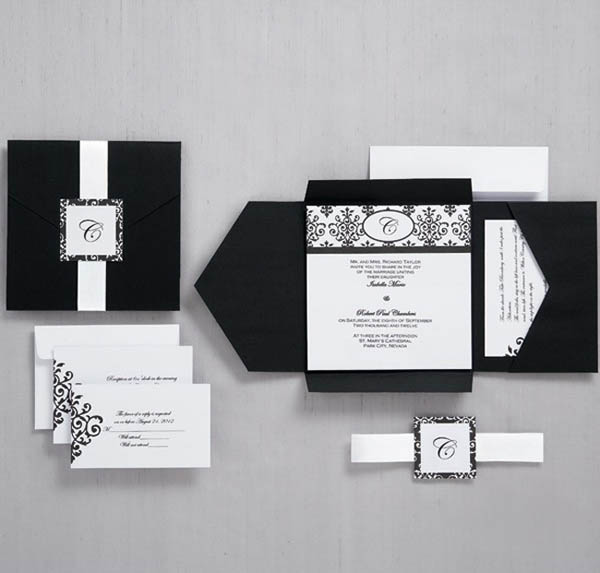
✨ Explore our beautifully designed invitations Suite to set the tone for your big day
✨ Stay organized with tools and resources made for modern couples
✨ Make every detail count—from the first invite to the final “I do”
Start your wedding journey with confidence today.


You may also interested in:
The Complete 12-Month Wedding Planning Timeline: A Month-by-Month Guide
How to Make Wedding Invitations: DIY Guide & Save $500+