
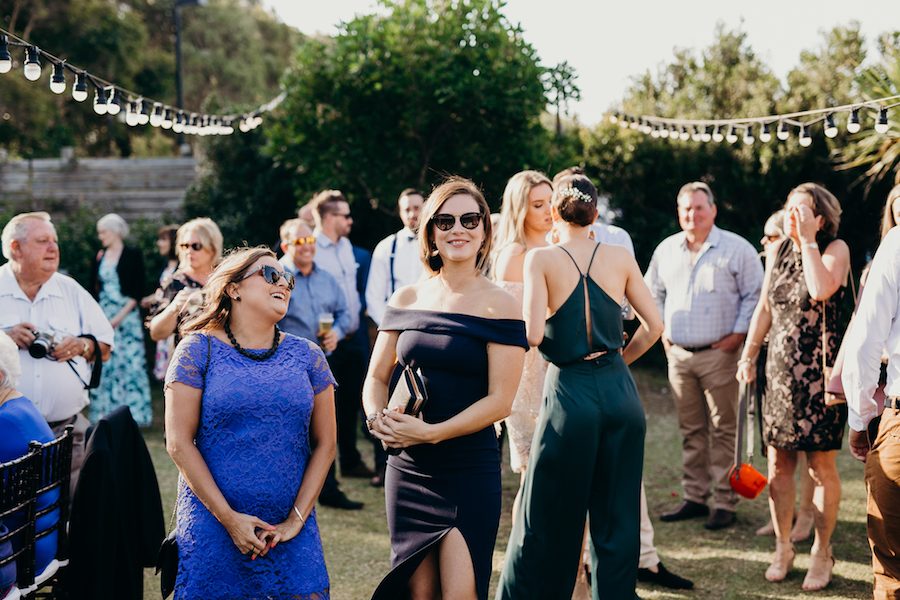
Planning a 4 PM wedding ceremony? You’ve chosen what many photographers call the “sweet spot” of wedding start times. But making the most of this timing requires careful planning and a clear understanding of how your day will unfold.
Whether you’re considering a first look or sticking with tradition, this guide will help you create a seamless timeline that keeps your guests comfortable and your photographer thrilled.


First Look vs. Traditional Timeline: Which is Right for You?
Before you can finalize any timeline, you need to make one crucial choice: will you see each other before the ceremony or save that moment for the aisle?
Which should you choose?
- Choose the First Look if: You want to maximize your time with guests and get the “formal” part of the day out of the way early. This is the 2026 favorite for couples who want a “party-first” atmosphere.
- Choose Traditional if: You are a stickler for ceremony traditions and don’t mind missing your cocktail hour to ensure that the first time you see each other is at the altar.
The First Look Timeline
The first look has become increasingly popular, and for good reason. By seeing each other before the ceremony, you can knock out most of your formal portraits ahead of time. This means you actually get to attend your own cocktail hour instead of disappearing for photos while your guests wonder where you went.
Photographers love this option because it eliminates the post-ceremony scramble. You’ll have more time for creative portraits, your makeup will still be fresh, and you won’t feel rushed. Plus, many couples find the first look to be a surprisingly intimate moment—just the two of you (and your photographer) before the whirlwind begins.
Sample 4 PM Schedule: First Look Version
Here’s an hour-by-hour breakdown that maximizes your photography time and guest experience:
- 10:00 AM – Hair and Makeup Begins Start your day with plenty of buffer time. If you have a large bridal party, you might need to start even earlier. Nothing derails a timeline faster than running behind before the day even really starts.
- 1:30 PM – Getting Ready Photos and Detail Shots Your photographer arrives to capture those precious getting-ready moments: the dress hanging in the window, your jewelry laid out, champagne with the bridesmaids, final touches on makeup. These shots set the tone for your wedding album.
- 2:15 PM – The First Look and Couple Portraits This is your time together. Choose a quiet, beautiful spot—ideally with great natural light. Your photographer will guide you through portraits while you’re both still fresh and relaxed. Budget at least 45 minutes for this.
- 3:00 PM – Wedding Party and Family Photos With couple portraits done, bring in the wedding party for group shots. Aim to finish these by 3:45 PM at the latest. Pro tip: Designate a family member or friend to wrangle relatives so your photographer isn’t hunting down your aunt who wandered off.
- 4:00 PM – Ceremony Begins Guests are seated, the music starts, and you finally get to walk down the aisle. Since you’ve already seen each other, you can actually make eye contact and smile during the ceremony without worrying about photos later.
- 4:30 PM – Cocktail Hour and Hors d’oeuvres Here’s where the first look really pays off: you can actually attend your cocktail hour! Greet guests, enjoy an appetizer (seriously, eat something), and soak in the celebration. No disappearing act required.
- 5:30 PM – Grand Entrance and Dinner Service Make your entrance into the reception space and settle in for dinner. Your guests are fueled from cocktail hour, and everyone’s ready to celebrate.
- 7:30 PM – Golden Hour Photos Depending on the season, this is when the light gets magical. Sneak away for 15 minutes during dinner service (not during toasts!) for those soft, glowing sunset portraits. These will be some of your favorite shots.
- 8:00 PM – Dancing and Dessert Time to party! First dances, cake cutting, and open dancing. This is when many couples in 2026 are embracing “flash photography” aesthetics—those dramatic, high-contrast images that capture the energy of the dance floor.
- 10:00 PM – Grand Exit Whether it’s sparklers, bubbles, or flower petals, make your exit memorable. This gives you and your guests a clear endpoint and ensures your photographer captures that final farewell shot.


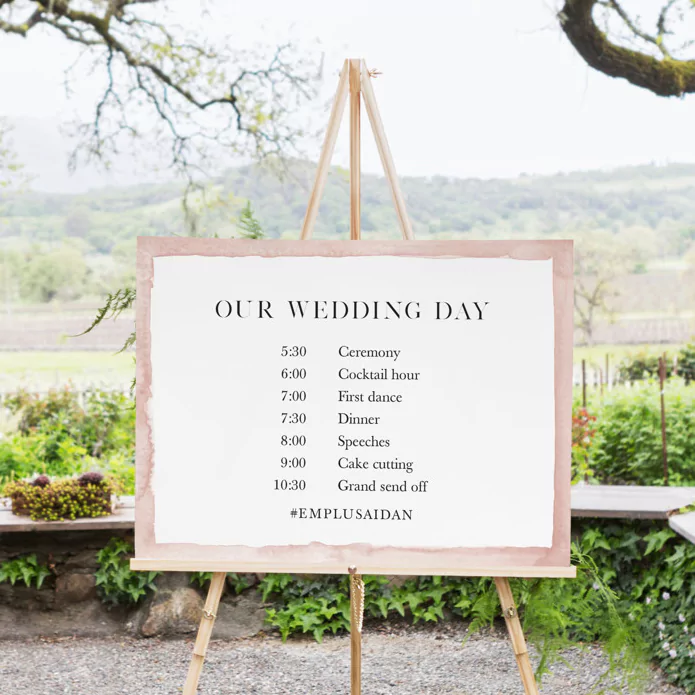
The Traditional Timeline
For couples who want that “aisle moment” to be truly the first time you see each other, the traditional timeline is still absolutely doable. The tradeoff? You’ll need to be incredibly efficient during cocktail hour, working through family photos and couple portraits while your guests enjoy appetizers.
This approach requires excellent coordination with your photographer and wedding party. Everyone needs to know exactly where to be and when. The upside? That first glimpse walking down the aisle carries an emotional weight that some couples wouldn’t trade for anything.
Pro-Tips for Photography: Master the 4 PM Light
A 4:00 PM start time offers a beautiful evolution of light, but it requires a strategic plan to ensure your photos don’t look “washed out” during the ceremony or “too dark” during the family formals.
1. The Summer vs. Winter Shift
The sun is your primary “lighting director,” and its schedule changes drastically depending on the season:
- Summer Weddings: At 4:00 PM, the sun is still high and harsh. Ask your photographer to scout for “open shade” (under trees or in the shadow of a building) for your portraits to avoid squinting and harsh shadows on your face.
- Winter Weddings: In many regions, the sun begins to set by 4:30 PM or 5:00 PM. If you are having a winter wedding, a First Look is almost mandatory if you want any natural light portraits, as it will be dark by the time your ceremony ends.
2. The “Golden Hour” Sneak-Away
The most coveted light of the day happens roughly 30 to 45 minutes before sunset.
- The Strategy: Work with your caterer to ensure your main course isn’t served right at sunset. Slip away for just 15 minutes between the salad and the entree. These will likely be the most romantic, glowing photos in your entire album.
3. Embrace the “Blue Hour” for Reception Entrances
Immediately after the sun dips below the horizon, the sky turns a deep, velvety blue.
- The 2026 Trend: Many couples are now using this “Blue Hour” for their grand entrance into an outdoor reception. It creates a high-contrast, editorial look that feels incredibly sophisticated compared to mid-day light.
4. Lighting for the “After-Party” Vibe
As the 4:00 PM ceremony transitions into a late-night party, your photographer will switch to “Direct Flash” or “Motion Blur” techniques.
- Pro-Tip: If your venue has high ceilings or dark walls, ensure your photographer brings “off-camera flash” setups. This prevents that “black hole” background look and ensures your dance floor photos feel vibrant and energetic.
Here’s where 2026 couples are getting creative: while the ceremony and portraits prioritize that natural light, many are specifically requesting flash photography for the reception. This creates a distinct aesthetic shift—dreamy and soft for the ceremony, then bold and energetic for the party. It’s a deliberate choice that tells the story of your day’s evolution from ceremony to celebration.
Critical Timing Tip: Check the exact sunset time for your wedding date and location. You don’t want your golden hour session to clash with dinner service or, worse, happen after the sun has already set. In summer, sunset might be at 8:30 PM; in winter, it could be as early as 5:30 PM. Plan accordingly.
Photography Checklist for Your 4 PM Wedding:
- [ ] Check Sunset Times: Look up the exact sunset for your date and location.
- [ ] Backlit Ceremony: If possible, position your ceremony so the sun is behind you or the officiant. This prevents the couple from squinting and creates a beautiful halo effect in photos.
- [ ] The “Second Look”: 2026 brides are loving an outfit change for the reception. Time this for right after your Golden Hour photos for a fresh “evening” reveal.
Sample Budgeting: The 4 PM Wedding Breakdown
1. The “Golden Hour” Photography Premium
Since a 4:00 PM ceremony places your formal portraits right during peak lighting, you aren’t just paying for a photographer; you’re paying for a lighting expert.
- Budget Impact: Expect to allocate 12-15% of your total budget here.
- Pro-Tip: Ensure your package includes at least 8 hours of coverage so they can capture everything from the 1:30 PM “Getting Ready” shots to the 9:30 PM dancing.
2. Catering: The “Hungry Guest” Factor
A 4:00 PM ceremony means guests likely skipped a full lunch to get ready, and they won’t be eating dinner until roughly 6:30 PM or 7:00 PM.
- Budget Impact: You will need a robust Cocktail Hour budget (approx. 20% of food costs).
- What to fund: Instead of simple nuts or crackers, invest in “substantial” hors d’oeuvres (mini sliders, protein skewers, or bao buns) to keep guest energy high until the main course.
3. Transitional Lighting & Decor
As the sun sets during your reception, the “vibe” of your venue will change completely.
- Budget Impact: Allocate 5-8% for lighting transitions.
- What to fund: Uplighting, “flickerless” LED candles for tables, and perhaps a neon sign or a programmed light show for the dance floor to signal the transition from “elegant ceremony” to “high-energy party.”
4. Transportation Logistics
If your ceremony and reception are in different locations, a 4:00 PM start creates a tight window for guest travel during late-afternoon traffic.
- Budget Impact: 2-3% for guest shuttles.
- Why: Providing transport ensures your 5:15 PM Grand Entrance isn’t delayed by guests searching for parking or getting lost in 5:00 PM “rush hour” congestion.
The “4 PM Savings” Opportunity:
Because your wedding starts later in the day, you can often save on floral longevity. Since the flowers only need to look fresh for 6 hours instead of 10, you may be able to opt for more delicate, seasonal blooms that might otherwise wilt in a noon-day sun.
| Category | Allocation | Why for 4 PM? |
| Catering/Venue | 45% | Covers the heavy cocktail hour and full dinner. |
| Photography | 15% | Essential for capturing the daylight-to-dark transition. |
| Attire/Beauty | 10% | Earlier start for hair/makeup. |
| Entertainment | 10% | High-energy lighting and DJ for the evening shift. |
| Decor/Flowers | 10% | Focus on table-scapes and “evening” ambiance. |
| Misc/Buffer | 10% | Last-minute logistics and “just in case. |
Sample 4 PM Wedding Schedule: First Look Version
One of the biggest challenges with a 4 PM wedding is the transition period before the ceremony. Guests don’t want to arrive too early, but they also don’t want to be rushed. Here’s how to make them comfortable:
Pre-Ceremony Refreshments (3:30 PM)
Set up a simple welcome station at the ceremony venue. Water, lemonade, or even a signature cocktail gives early-arriving guests something to do besides standing around awkwardly. This is especially important for summer weddings or if you’re having an outdoor ceremony.
Some couples set up a simple display with guest book or photos—something to engage guests who arrive early. Just make sure it’s obvious this isn’t the cocktail hour yet.
The Cocktail Hour Is Critical
For a 4 PM wedding, cocktail hour serves as the bridge to dinner. This isn’t the time to skimp on the catering. Your guests might have had a late lunch, but they’re definitely going to be hungry by 5 PM.
Make sure you have enough variety in your appetizers and sufficient bar staff to prevent long lines. Nothing makes guests grumpy faster than waiting 20 minutes for a drink they desperately need after sitting through a ceremony.
Consider the timing from your guests’ perspective: they’ve likely taken time off work, gotten dressed up, and traveled to your venue. A well-stocked cocktail hour tells them you’ve thought about their comfort.
Pro Tips for 2026 Weddings
The wedding industry evolves every year, and 2026 brings some trends that are specifically relevant to your 4 PM timeline:
The Unplugged Ceremony
More and more couples are asking guests to put phones away during the ceremony. It’s not about being controlling—it’s about ensuring your professional photos aren’t ruined by someone’s iPad blocking the view (yes, this still happens).
Have your officiant make a brief announcement before the ceremony starts, or include a note in your program. Most guests appreciate it once they realize they can actually be present in the moment instead of watching through a screen.
Tech-Ready Getting Ready Space
Here’s a small detail that prevents big problems: set up a charging station in the bridal suite. Nothing derails a timeline faster than someone’s phone dying while you’re trying to coordinate vendor arrivals or get that final text from your day-of coordinator.
Bring a power strip and a handful of charging cables (Lightning and USB-C to cover all bases). Your bridesmaids will thank you, and you’ll avoid the chaos of people hunting for outlets behind furniture.
The Micro-Wedding Buffer
Even if you’re having a full-size wedding, consider building in the flexibility that micro-wedding planning taught us. Have a backup indoor plan if you’re outdoors. Build in 15-minute buffers between major events. Give your photographer a shot list in advance but trust them to capture spontaneous moments too.
Communication Is Everything
Share your detailed timeline with your venue coordinator, photographer, videographer, DJ/band, caterer, and anyone else who needs to be somewhere at a specific time. Use a shared document that everyone can access on their phones the day of.
4 PM Wedding Timeline FAQs
1. What time should I put on the invitation?
Even though the ceremony starts at 4:00 PM, you should list 4:00 PM on your invitation. However, it is a 2026 “hospitality” trend to invite guests for a “Welcome Refreshment” at 3:30 PM. This ensures everyone is seated and settled before the processional begins.
2. Is 4 PM too late for an outdoor ceremony?
Not at all—as long as you consider the season! In the summer, 4:00 PM is actually better as it’s slightly cooler than midday. In the late autumn or winter, just ensure your ceremony is short (20–30 minutes) so you don’t lose the light before you say “I do.”
3. Do we have to serve a full dinner?
Yes. Because a 4:00 PM wedding spans the traditional dinner hour, guests will be expecting a full meal. If you prefer a lighter “cocktail-style” reception, make sure to clearly state “Hors d’oeuvres and dancing to follow” on your invitation so guests can eat a late lunch beforehand.
4. What if we don’t want to do a “First Look”?
That is perfectly fine! Just be aware that you will likely spend your entire Cocktail Hour taking photos. To make this work, we recommend extending your Cocktail Hour to 90 minutes so you still have a few moments to breathe and grab a drink before the Grand Entrance.
5. Will a 4 PM wedding feel too short?
Actually, it often feels “just right.” Starting at 4:00 PM and ending at 10:00 PM or 11:00 PM gives you a solid 6-7 hours of celebration. This keeps the energy high from start to finish without that “afternoon lull” where guests start to feel tired.
Build in a 10-minute buffer. Most ceremonies run 20-30 minutes, but if yours is longer (religious ceremonies often are), adjust your schedule accordingly. Your cocktail hour can always start a few minutes late—your dinner cannot.
Not at all! If you’re having cocktail hour at 4:30 and dinner at 5:30, that’s perfectly normal dinner timing. Just make sure your cocktail hour has substantial appetizers—think of it as the first course.
Of course! But having a designated endpoint helps your photographer know when they’re done, gives your guests permission to leave, and provides a final celebratory moment. If you’re planning to stay later, at least do a “last call” or final dance so people know when to say goodbye.
Absolutely! Golden hour light is different from afternoon light. Those 15 minutes will give you dramatically different (and gorgeous) images. Just schedule it during a low-key part of dinner, not during toasts.
The 4 PM timing still works beautifully! You’ll get some natural light during the ceremony, and the transition to evening creates a natural shift in ambiance. Just embrace candles and uplighting for a romantic nighttime reception.
For a first look at 2:15 PM, yes. Hair and makeup for multiple people takes longer than you think, and you don’t want to feel rushed. If you’re only doing your own hair and makeup, you might be able to start at 11 AM, but be realistic about timing.
Timing is Everything
A 4:00 PM ceremony is the ultimate “sweet spot” for a modern wedding. It allows you to lean into the romance of the afternoon sun while smoothly transitioning into a high-energy evening celebration. Whether you choose to see each other before the aisle or wait for that traditional first look, the most important part of your timeline is that it reflects your priorities. With a little bit of planning and a focus on guest comfort, your 4:00 PM wedding will be as seamless as it is unforgettable.
Over to You!
Are you planning a 4:00 PM ceremony, or are you still debating the perfect start time? Drop a comment below and let me know if you’re team “First Look” or team “Traditional Aisle”—I’d love to hear how you’re structuring your big day!
Remember: this is a guide, not a rigid script. Your timeline should reflect your priorities. If you want an hour for couple portraits, make it happen. If you’d rather spend extra time with guests at cocktail hour, adjust accordingly. The best wedding timeline is one that lets you actually enjoy your wedding day.
Related Post:
Is $10,000 a Good Budget for a Wedding?
The Complete 12-Month Wedding Planning Timeline: A Month-by-Month Guide