
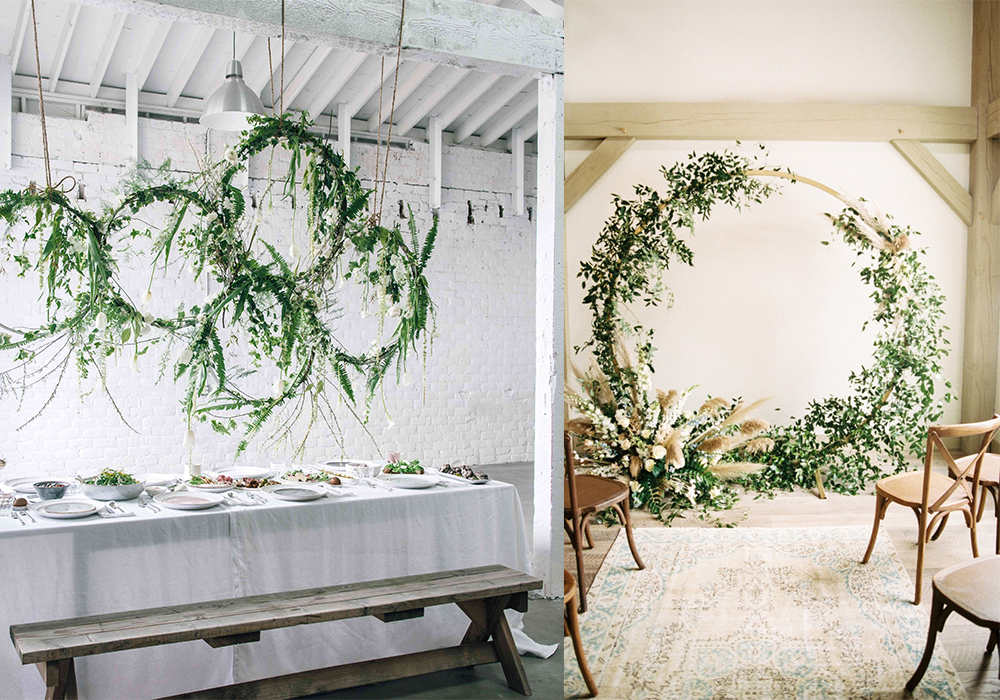
Tying the Knot, Not Breaking the Bank
Planning a wedding can be a financial roller coaster if you don’t have a solid budget in place.
So, creating a realistic wedding budget is crucial for staying on track and avoiding post-wedding stress.
This guide will walk you through the steps to create a Realistic Wedding Budget that allows you to have the wedding of your dreams without breaking the bank.
1. Establish Your Financial Framework:
Determine Your Total Budget:
This is the most crucial step. How much can you realistically afford to spend? Consider your savings, contributions from family, and any loans you might be taking.
- To begin, meticulously calculate your current savings and assess any potential contributions from family members, ensuring clarity on the exact amounts available.
- Beyond this, consider any supplementary funds you might access, such as personal loans or lines of credit, and factor in the associated interest rates and repayment schedules.
- It’s also prudent to account for any pending financial obligations, like student loans or car payments, to ensure they don’t impede your wedding budget.
- Furthermore, if you anticipate receiving monetary gifts from wedding guests, conservatively estimate these amounts and integrate them into your financial planning.
- Remember to also consider any potential tax implications related to gifts or loans. By comprehensively evaluating your financial resources, you’ll establish a solid foundation for your wedding budget.
- Prioritize Your Must-Haves: Sit down with your partner and discuss what aspects of the wedding are most important to you. Is it the venue, the food, the photography, or the honeymoon? Discuss the relative importance of each aspect, allowing you to make informed decisions about where to invest your resources. Delve into the aspects that hold the most significance for both of you.
- Consider whether the grand ambiance of the venue is paramount, or if the culinary experience for your guests takes precedence. Perhaps capturing the essence of your love story through exceptional photography and videography is your primary focus, or maybe embarking on a dream honeymoon is the ultimate priority.
- Consider the potential trade-offs, such as opting for a less expensive venue to splurge on a gourmet catering experience. Reflect on the memories you want to create and the overall atmosphere you envision for your celebration.
By engaging in this thorough discussion, you’ll establish a clear understanding of your priorities, enabling you to allocate your budget effectively and create a wedding that truly reflects your shared vision.
2. Break Down the Budget:
Allocate Percentages, use a spreadsheet (like Google Sheets or Excel) to track your expenses. List each category and allocate a specific amount.
A common approach is to allocate percentages to different categories.
Here’s a general guideline:
- Venue and Catering: 40-50%
This category typically consumes the largest portion of the budget, encompassing venue rental fees, catering services, including food and beverages, and any associated service charges.
- Photography and Videography: 10-15%
- Attire (Dress, Suits, etc.): 10%
The attire category encompasses not just the wedding dress, but also suits, bridesmaid dresses, and accessories.
Wedding dress, explore various options, including purchasing from bridal boutiques, online retailers, or even considering renting a dress. If you are going to purchase a second dress for the reception, then this should also be accounted for in the budget;
For suits, consider custom tailoring or renting options, depending on your budget and preferences;
Bridesmaid dressesResearch local florists and decor companies, seeking recommendations from friends, family, or online reviews. Schedule consultations to discuss your vision, explore options, and obtain quotes. can be a significant expense, so explore options like online retailers or consider asking bridesmaids to contribute to their own dresses;
Accessories such as veils, jewelry, shoes, and undergarments should also be factored into the budget.
Remember to allocate funds for alterations, which are often necessary to ensure a perfect fit.
Also remember the cost of dry cleaning, and preserving the dress after the wedding.
- Flowers and Decor: 8-10%
From floral arrangements and centerpieces to lighting, linens, and other decorative items that contribute to the overall ambiance of your wedding are all included.
Research local florists and decor companies, seeking recommendations from friends, family, or online reviews. Schedule consultations to discuss your vision, explore options, and obtain quotes;
Consider the seasonality of flowers, as this can significantly impact cost and availability. Opt for in-season blooms to reduce expenses and ensure freshness;
Explore creative alternatives to traditional floral arrangements, such as using greenery, branches, or non-floral centerpieces.
- Entertainment (DJ, Band): 8-10%
The entertainment category plays a pivotal role in shaping the atmosphere and energy of your wedding reception, demanding careful consideration and strategic allocation of funds.
Begin by exploring a diverse range of entertainment options, including DJs, live bands, solo musicians, and even unique performers like magicians or dancers, to determine which best aligns with your vision and budget. Research local talent, read reviews, and seek recommendations from friends or family to identify reputable and experienced professionals.Don’t hesitate to negotiate or inquire about package deals, as some vendors may offer discounts for bundled services or off-season bookings.
- Invitations and Stationery: 3-5%
The wedding invitation stationery Including save-the-dates, invitations, programs, menus, place cards, and thank-you notes.
Research local stationery designers or online printing services, seeking recommendations and comparing prices;
Consider the types of paper, envelopes, and embellishments you prefer, keeping in mind that these choices can significantly impact the overall cost;
Factor in the cost of postage, addressing services, and any additional fees for custom designs or rush orders;
Explore the option of creating digital invitations or save-the-dates to reduce printing and postage costs.


- Wedding Planner (if applicable): 5-10%
- Miscellaneous (Favors, Gifts, etc.): 5%
3. Research and Compare Costs:
- Get Multiple Quotes: Don’t settle for the first vendor you find. Get quotes from multiple vendors in each category to compare prices.
- Consider Off-Season and Weekday Weddings: These options can often save you significant money on venue and vendor costs.
- DIY Options: Consider DIY options for things like decorations, invitations, or favors to save money.
4. Contingency Planning:
- Allocate a Contingency Fund: Unexpected expenses are inevitable. Allocate 5-10% of your total budget to a contingency fund.
- Prioritize Flexibility: Be prepared to make adjustments to your budget as needed. Flexibility is key to staying within your means.
5. Track Your Spending:
- Regularly Update Your Spreadsheet: Keep your spreadsheet up to date with actual expenses. This will help you stay on track and identify any areas where you’re overspending.
- Use Budgeting Apps: Several budgeting apps can help you track your wedding expenses and stay organized.
Tips for Staying on Budget:
- Be Realistic: Don’t set unrealistic expectations.
- Communicate with Your Partner: Discuss your budget regularly and make decisions together.
- Avoid Impulse Purchases: Take your time to research and compare prices before making any purchases.
- Consider Alternatives: Be open to alternative options that can save you money.
- Focus on What Matters: Remember that the most important thing is celebrating your love with your partner.
By following these steps, you can create a realistic wedding budget that allows you to have a beautiful and memorable wedding without financial stress. Remember to be flexible, communicate with your partner, and focus on what truly matters: celebrating your love.
FAQ about Realistic Wedding Budget:
How to Determine Your Total Budget?
Consider your savings, contributions from family, and any loans you might be taking. Remember to also consider any potential tax implications related to gifts or loans.
What is the proportion of different wedding part?
Venue and Catering: 40-50%; Photography and Videography: 10-15%; Attire (Dress, Suits, etc.): 10%; Flowers and Decor: 8-10%; Entertainment (DJ, Band): 8-10%; Invitations and Stationery: 3-5%; Wedding Planner (if applicable): 5-10%; Miscellaneous (Favors, Gifts, etc.): 5%
How to Track Your Spending?
Allocate Percentages, use a spreadsheet (like Google Sheets or Excel) to track your expenses. List each category and allocate a specific amount. Regularly Update Your Spreadsheet and Use Budgeting Apps.
How to Staying on Wedding Budget?
Don’t set unrealistic expectations first, avoid impulse purchases, consider alternatives, focus on what matters.